Gazing at the Stars: Ulugbek Observatory in SamarkandWhile Samarkand is world-famous for its turquoise domes and madrasahs, the Ulugbek Observatory in Samarkand reveals a different side of the city’s golden age: its devotion to science and discovery. Built in the 15th century by the astronomer-king Ulugh Beg, this structure was once the most advanced scientific facility in the Islamic world, forever changing our understanding of the cosmos.
A Monument to Medieval ScienceThe Ulugbek Observatory in Samarkand was designed to map the heavens with unprecedented precision. The centerpiece of the...
The Pulse of the City: Siab Bazaar in SamarkandNo visit to Uzbekistan is truly complete without experiencing the vibrant energy of the Siab Bazaar in Samarkand. Located just steps away from the iconic Bibi-Khanym Mosque, this massive marketplace has served as a center of commerce and social life for centuries. For modern travelers, the Siab Bazaar in Samarkand offers an authentic, sensory-filled look at the daily traditions that continue to thrive along the ancient Silk Road.
A Sensory Journey Through FlavorsThe Siab Bazaar in Samarkand is famous for its incredible variety of high-quality...
The Grandeur of History: Bibi-Khanym Mosque in SamarkandWhen standing before the massive portals of the Bibi-Khanym Mosque in Samarkand, it is easy to understand why this structure was once considered one of the largest and most magnificent mosques in the Islamic world. Commissioned by the great conqueror Timur in the late 14th century, this architectural giant remains an essential stop for any traveler exploring the golden history of Uzbekistan.
A Legend in StoneThe Bibi-Khanym Mosque in Samarkand is steeped in history and folklore. Local legends tell that the mosque was built as a grand...
The Art of Threads: Hudjum Silk Carpet Factory in SamarkandIf you are looking to discover the living history of the Silk Road, a visit to the Hudjum Silk Carpet Factory in Samarkand is an essential experience. This unique workshop serves as a vibrant hub where ancient Central Asian traditions of carpet weaving are meticulously preserved, offering travelers a rare glimpse into the creation of world-class, handcrafted textiles.
Mastering the Silk ProcessThe Hudjum Silk Carpet Factory in Samarkand is renowned for its commitment to authentic, natural production methods. Unlike mass-produced...
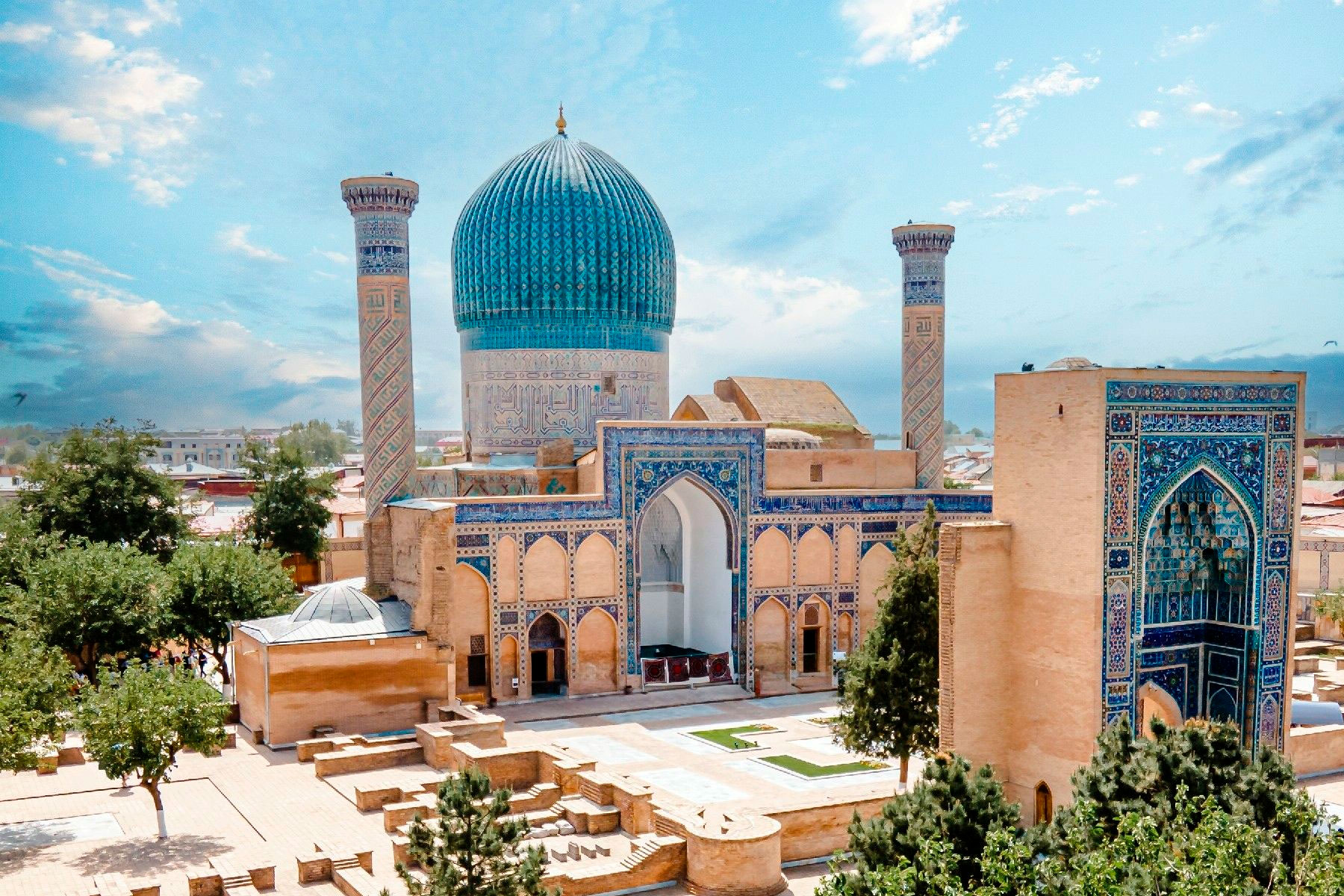
The Royal Resting Place: Gur-e-Amir Mausoleum in SamarkandWhen traveling through the historic Silk Road, the Gur-e-Amir Mausoleum in Samarkand stands as one of the most poignant and architecturally significant monuments in Central Asia. Known as the final resting place of the great conqueror Timur (Tamerlane), this magnificent structure serves as the prototype for later Mughal architecture, including the world-famous Taj Mahal.
A Masterpiece of Timurid EngineeringThe Gur-e-Amir Mausoleum in Samarkand is a triumph of design and craftsmanship. From its iconic ribbed turquoise dome to the...
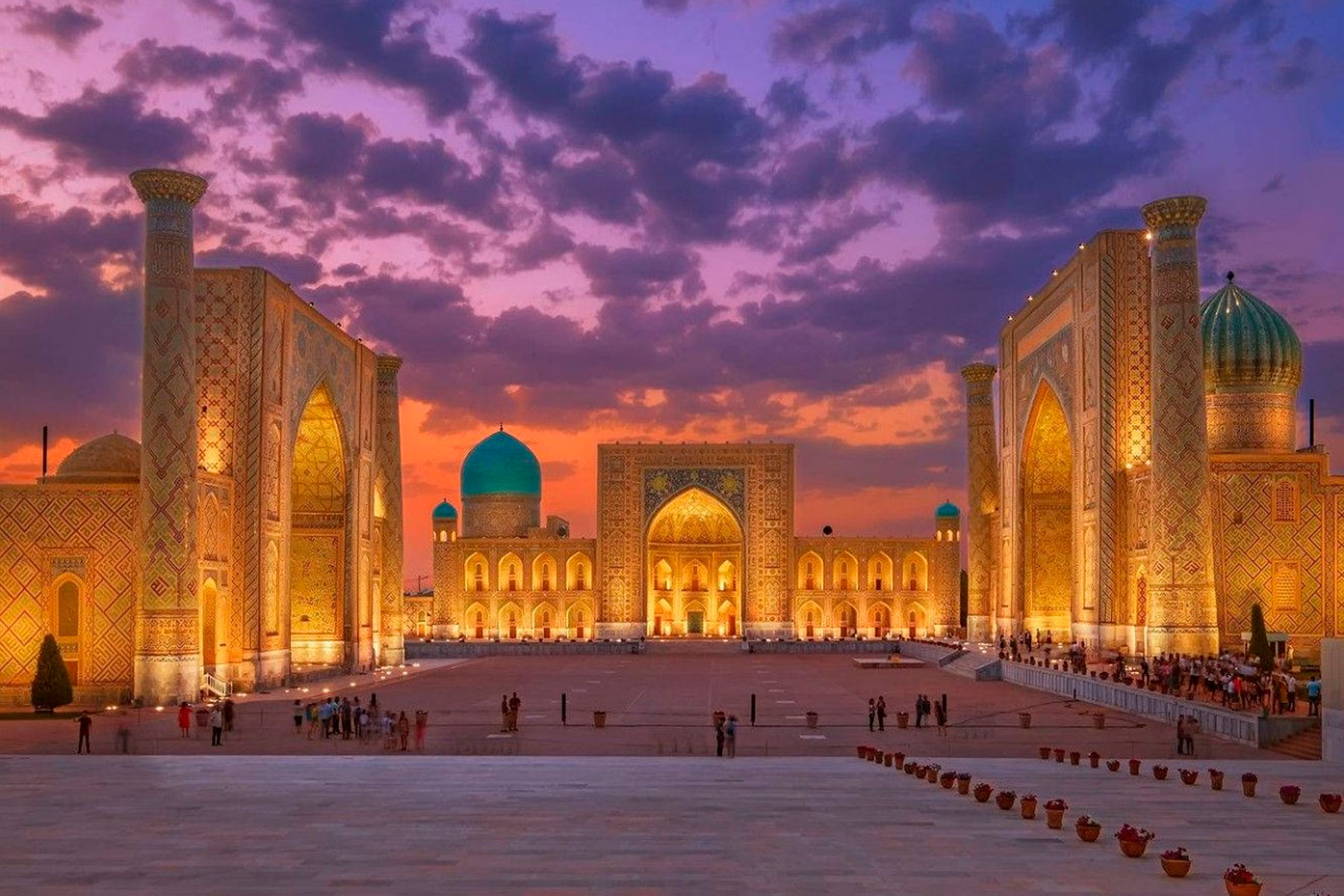
The Magnificent Registan Square in Samarkand: A Silk Road IconNo journey through Central Asia is complete without standing in the center of the legendary Registan Square in Samarkand. As the historic heart of the Timurid Empire, this breathtaking complex of three massive madrasahs is widely considered one of the most significant architectural achievements in the world. Visitors from every corner of the globe travel to Registan Square in Samarkand to witness this unparalleled fusion of history, art, and light.
A Masterpiece of Timurid ArchitectureThe architectural harmony of Registan Square...
The Turquoise Path: Exploring Shah-i-Zinda in SamarkandWhen planning your journey through the ancient Silk Road, one site remains an absolute must-see: the historic Shah-i-Zinda in Samarkand. Often described as an "avenue of mausoleums," this breathtaking complex stands as one of the most significant architectural monuments in Central Asia. Its vibrant, shimmering blue tiles have captivated travelers and historians for centuries.
The Legend of the Living KingThe name Shah-i-Zinda in Samarkand translates to "The Living King." It refers to the legend of Kusam ibn Abbas, a cousin of the...